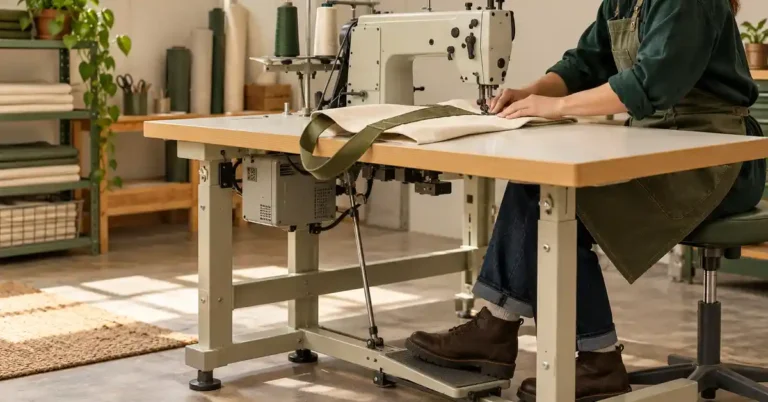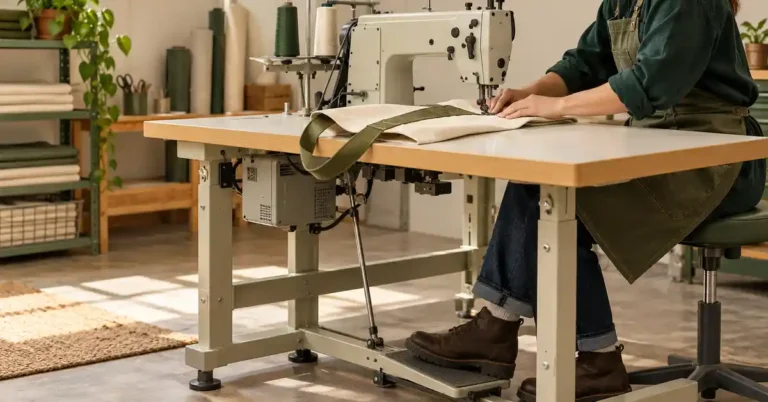

Sewing machines are indispensable tools for fashion enthusiasts, hobbyists, and professionals alike. However, like any other mechanical device, they require regular maintenance to ensure optimal performance and longevity. One critical aspect of this maintenance involves the use of sewing machine oil. But what is sewing machine oil, and why is it so important? In this comprehensive guide, we will explore the intricacies of sewing machine oil, its types, benefits, and how to properly use it to keep your sewing machine running smoothly.
What is Sewing Machine Oil?
Sewing machine oil is a specially formulated lubricant designed for the moving parts of sewing machines. Unlike regular oils, which may contain additives that can damage the internal mechanisms of a sewing machine, sewing machine oil is refined to be lightweight and non-staining. It helps reduce friction between moving parts, thus prolonging the life of the machine and ensuring consistent stitching quality. Most sewing machine manufacturers recommend specific types of oil for their machines, making it essential to choose the right product.
Types of Sewing Machine Oil
There are several types of sewing machine oil available, each tailored to meet different needs. Understanding these can help you make an informed decision about which oil is best for your machine.
Mineral Oil
Mineral oil is one of the most common types of sewing machine oil. It is derived from petroleum and is known for its excellent lubrication properties. This oil is typically clear and odorless, making it an ideal choice for most home sewing machines. It is suitable for both metal and plastic parts, although it is essential to check the manufacturer’s recommendations before use.
Synthetic Oil
Synthetic oils are engineered to provide superior lubrication and protection compared to traditional mineral oils. They have a higher viscosity index, meaning they maintain their lubricating properties across a wider range of temperatures. Synthetic oils are often more expensive than mineral oils but are favored for high-performance machines or heavy usage.
Specialty Oils
Some manufacturers produce specialty oils designed for specific types of sewing machines, such as embroidery machines or quilting machines. These oils may contain additives that enhance performance or provide additional protection against wear and tear. Always consult your machine’s manual to determine if a specialty oil is recommended.
Benefits of Sewing Machine Oil
Using sewing machine oil offers several benefits, making it an essential component of your sewing maintenance routine. Here are some of the primary advantages:
Improved Performance
Regular application of sewing machine oil can significantly improve the performance of your machine. It ensures that all moving parts operate smoothly, reducing the likelihood of jams and skipped stitches.
Increased Lifespan
Just like a car needs oil to run efficiently, sewing machines require lubrication to prevent wear and tear. By using sewing machine oil regularly, you can extend the life of your machine, saving you money on repairs or replacements.
Better Stitch Quality
Proper lubrication helps maintain consistent tension and feed, resulting in better stitch quality. Whether you are sewing delicate fabrics or heavy materials, oiling your machine can make a noticeable difference in the finished product.
Reduced Friction and Heat
Friction between moving parts can generate heat, which may lead to mechanical failure over time. Sewing machine oil helps reduce friction, minimizing heat buildup and ensuring that your machine operates at optimal temperatures.
How to Use Sewing Machine Oil
Using sewing machine oil is straightforward, but proper application is crucial for achieving the best results. Follow these steps for effective lubrication:
Step 1: Gather Your Supplies
Before you start, gather the following supplies:
- Sewing machine oil (as recommended by your machine’s manufacturer)
- Soft cloth or paper towel
- Small brush (optional)
- Screwdriver (if necessary to access internal parts)
Step 2: Prepare Your Machine
Ensure your sewing machine is unplugged before you begin the oiling process. This is a crucial safety step to prevent accidents. If necessary, remove the needle and presser foot for easier access to the internal components.
Step 3: Identify Lubrication Points
Consult your sewing machine’s manual to identify the lubrication points. Common areas that require oiling include:
- The needle bar
- The bobbin case
- The feed dogs
- The hook and race
Step 4: Apply the Oil
Using the oil applicator or a dropper, place a small amount of oil at the identified lubrication points. Avoid over-oiling, as excessive oil can attract dust and lint, leading to more problems. A few drops should suffice for each point.
Step 5: Wipe Away Excess Oil
After applying the oil, use a soft cloth or paper towel to wipe away any excess. This will prevent dust accumulation and ensure that your machine remains clean.
Step 6: Test Run
Once you have oiled your machine, plug it back in and perform a test run with some scrap fabric. This will help you confirm that everything is running smoothly and that the oil is adequately distributed.
Common Misconceptions
Despite its importance, there are several misconceptions about sewing machine oil that can lead to improper usage. Let’s address a few of these:
Myth 1: All Oils Are the Same
Not all oils are suitable for sewing machines. Using the wrong type of oil can damage your machine. Always choose oil specifically designed for sewing machines.
Myth 2: You Only Need to Oil Your Machine Once a Year
While the frequency of oiling can vary based on usage, many experts recommend oiling your machine at least once a month, especially if you sew frequently.
Myth 3: More Oil Is Better
Over-oiling can lead to problems, such as attracting dust and debris. Always apply oil sparingly and according to your manufacturer’s guidelines.
A: It depends on usage, but a good rule of thumb is to oil your machine at least once a month if you sew regularly. For heavy usage, consider oiling more frequently.
A: No, it is crucial to use sewing machine oil that is specifically formulated for your machine. Avoid using cooking oils or other household oils.
A: If you over-oil, use a soft cloth to wipe away the excess oil. Running the machine on scrap fabric can help distribute the oil evenly.
Conclusion
Understanding what sewing machine oil is and how to use it is essential for anyone who wants to maintain their sewing machine in optimal condition. The right oil can enhance performance, prolong the life of your machine, and improve stitch quality. By following the guidelines provided in this article, you can ensure that your sewing machine remains a reliable companion for all your creative endeavors. Remember, regular maintenance is key to keeping your sewing projects running smoothly, whether you’re creating a stunning garment or adding a professional touch to your embroidery designs. Don’t forget to explore our other resources, such as Naturally Perfect: Embroidery Adds a Professional Touch! and Transform Your Creations with Stunning Monogram Fonts! to further enhance your sewing experience.