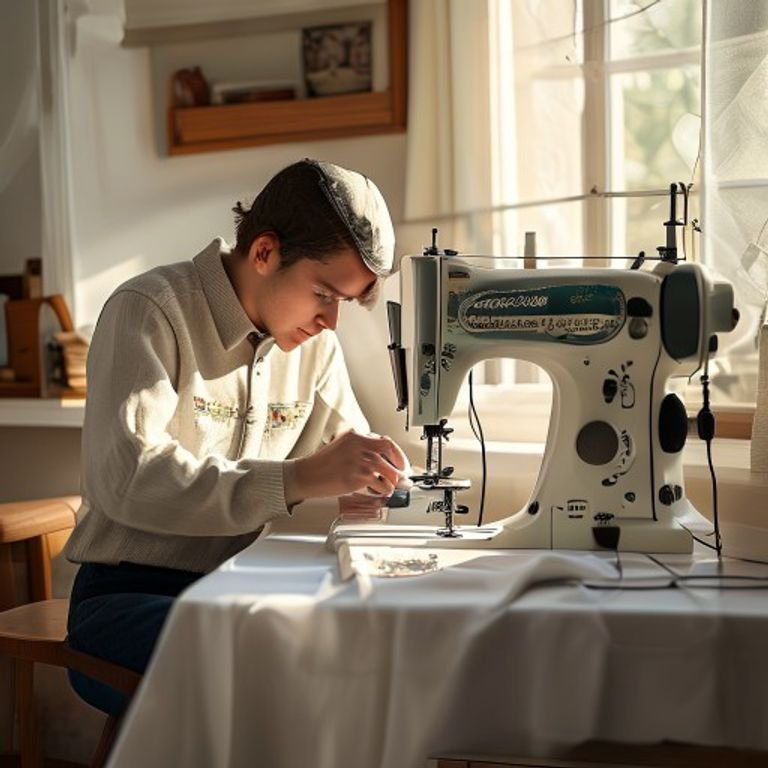
When it comes to modern sewing and embroidery, the one head embroidery machine has become a game-changer for both hobbyists and professionals alike. This versatile piece of equipment allows users to create intricate designs and patterns with ease, making it a must-have for anyone looking to elevate their embroidery game. Whether you’re running a small embroidery business or simply want to personalize items for friends and family, understanding the features, benefits, and operational guidelines of a one head embroidery machine can help you make informed decisions. In this article, we will explore everything you need to know about one head embroidery machines, including their capabilities, maintenance, and tips for getting the most out of your investment.
Table of Contents
- What is a One Head Embroidery Machine?
- Benefits of One Head Embroidery Machines
- Key Features of One Head Embroidery Machines
- How to Choose the Right One Head Embroidery Machine
- Maintenance and Care
- Common Mistakes to Avoid
- FAQ
What is a One Head Embroidery Machine?
A one head embroidery machine is a specialized sewing machine designed specifically for embroidery tasks. Unlike multi-head machines that can embroider multiple items simultaneously, a one head machine focuses on one project at a time. This makes it ideal for custom embroidery work where individual attention to detail is paramount. One head machines are commonly used in small-scale embroidery businesses, home-based setups, and by enthusiasts looking to create personalized gifts or merchandise.
Benefits of One Head Embroidery Machines
Choosing a one head embroidery machine comes with a variety of benefits that can enhance your sewing and embroidery experience. Here are some key advantages:
- Cost-Effective: Generally, one head machines are more affordable than multi-head machines, making them accessible for beginners and hobbyists.
- Versatility: You can embroider a wide range of items, from clothing to accessories, allowing for creative freedom.
- Customizability: Ideal for small custom orders, one head machines enable you to create unique designs tailored to specific customer needs.
- Space-Saving: One head machines take up less space, making them suitable for home use or small workshops.
Key Features of One Head Embroidery Machines
When evaluating one head embroidery machines, it’s essential to understand the key features that can influence your sewing experience. Here are some vital aspects to consider:
1. Stitch Quality
The stitch quality is paramount in embroidery. Look for machines that offer a variety of stitch styles and customizable settings to achieve the best results.
2. Embroidery Area
Check the maximum embroidery area the machine offers. A larger area allows for bigger designs and reduces the need for repositioning fabric.
3. User-Friendly Interface
Many modern machines come with touch screens and intuitive interfaces that simplify the navigation through different settings and designs.
4. Built-in Designs
Some machines offer a library of built-in designs, which can be a great starting point for beginners. Look for machines that allow you to import custom designs as well.
5. Speed
The speed of the embroidery machine is measured in stitches per minute (SPM). A higher SPM means faster production, which is beneficial for business owners.
How to Choose the Right One Head Embroidery Machine
Selecting the right one head embroidery machine involves considering your specific needs and preferences. Here are some tips to help you make the best choice:
- Assess Your Needs: Determine what types of projects you plan to work on. If you require larger designs, opt for a machine with a bigger embroidery area.
- Budget: Establish a budget that considers both the machine’s cost and additional expenses, such as threads and software.
- Research Brands: Some brands are known for their reliability and customer support. Read reviews and ask for recommendations from fellow embroiderers.
- Test Drive: If possible, test the machine before purchasing. This will give you a feel for its functionality and ease of use.
Maintenance and Care
1. Regular Cleaning
Dust and lint can accumulate in the machine’s internal components, affecting performance. Clean the machine regularly according to the manufacturer’s instructions.
2. Oil the Machine
Follow the manufacturer’s guidelines for oiling the machine. Proper lubrication keeps the moving parts functioning smoothly.
3. Update Software
Many modern embroidery machines come with software that can be updated. Keep the software current to ensure compatibility with new designs and features.
4. Use Quality Threads
Using high-quality threads can prevent thread breakage and improve overall stitch quality. Consider exploring options like metallic threads for stunning results.
Common Mistakes to Avoid
1. Skipping the Test Stitch
Always perform a test stitch before starting on your final project. This helps identify any issues with tension, thread type, or design placement.
2. Overloading the Machine
Be cautious not to overload your machine with too many layers of fabric. This can cause jams and affect stitch quality.
3. Ignoring Tension Settings
Not paying attention to thread tension can lead to poor stitch quality. Familiarize yourself with adjusting tension for different fabrics and threads.
4. Neglecting Software Training
If your machine includes embroidery software, take the time to learn how to use it. Understanding how to manipulate designs can greatly enhance your creativity.
FAQ
A: Prices vary widely based on features and brand, but you can expect to pay anywhere from $1,000 to $5,000 or more.
A: While primarily designed for embroidery, many one head machines can also function as sewing machines, though they may not have all the features of a dedicated sewing machine.
A: You can create a wide range of projects, including personalized clothing, home decor, promotional items, and custom gifts.
A: It’s recommended to service your machine at least once a year or more frequently if you use it heavily.
Conclusion
In summary, a one head embroidery machine can transform your embroidery projects, offering versatility, efficiency, and the ability to create stunning designs. By understanding the features, benefits, and maintenance requirements of these machines, you can enhance your embroidery skills and produce high-quality work. Whether you’re looking to start a business or pursue embroidery as a hobby, investing in a one head embroidery machine could be one of the best decisions you make. For more inspiration and resources, don’t forget to check out articles like Turn Heads with This Black Suit’s Gold Embroidery! and Revolutionize Your Embroidery: Must-Have Lettering Tool!. Happy stitching!