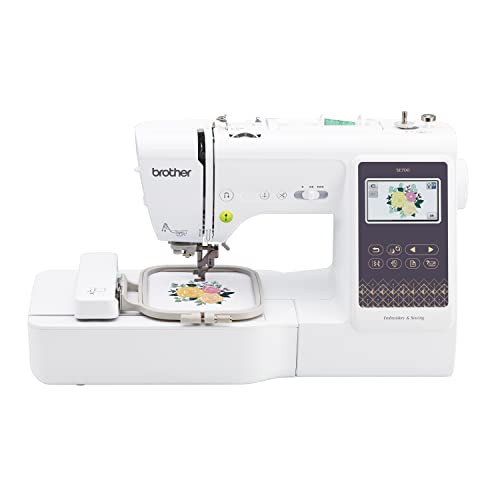
Embroidery sewing has become a beloved craft for many, blending artistry and functionality. Whether you’re a seasoned professional or just starting, understanding the nuances of embroidery sewing can elevate your projects from simple to spectacular. This article will delve into the essentials of embroidery sewing, exploring techniques, tools, and tips to help you create stunning pieces that showcase your creativity.
Table of Contents
- What is Embroidery Sewing?
- Tools and Materials for Embroidery Sewing
- Embroidery Techniques
- Choosing the Right Thread
- Stabilizers and Their Importance
- Common Embroidery Mistakes to Avoid
- Embroidery Project Ideas
- FAQ
What is Embroidery Sewing?
Embroidery sewing is the art of decorating fabric using needle and thread to create intricate designs, patterns, and images. This craft can be done by hand or with the assistance of embroidery machines, allowing for both fine detail work and larger, more complex designs. The beauty of embroidery lies in its versatility; it can be used on various textiles, from clothing and accessories to home decor items.
Tools and Materials for Embroidery Sewing
To embark on your embroidery sewing journey, you’ll need some essential tools and materials. Here’s a breakdown of what you’ll require:
| Tool/Material | Description |
|---|---|
| Embroidery Hoops | These hold the fabric taut while you stitch, ensuring accuracy. |
| Needles | Special embroidery needles have a larger eye to accommodate embroidery threads. |
| Scissors | Sharp embroidery scissors are essential for trimming threads and fabric. |
| Fabric | Choose stabilizing fabrics like cotton or linen for your projects. |
| Embroidery Threads | Different types of threads can create various textures and finishes. |
Embroidery Techniques
Embroidery sewing encompasses various techniques, each offering unique textures and styles. Some popular methods include:
Hand Embroidery
This traditional method allows for a personal touch and intricate detail. Hand embroidery techniques include:
- Satin Stitch: A smooth, flat stitch ideal for filling in shapes.
- Back Stitch: Creates a solid line, perfect for outlines and lettering.
- Chain Stitch: Produces a series of loops, adding texture to designs.
Machine Embroidery
Utilizing an embroidery machine can streamline the process and allow for more complex designs. Techniques include:
- Digitized Embroidery: Designs are created and programmed into the machine for precise stitching.
- Free Motion Embroidery: Allows for creative freedom similar to hand embroidery, using a sewing machine.
Choosing the Right Thread
The type of thread you choose can greatly impact the quality and appearance of your embroidery. Here are some options:
- Cotton Thread: Ideal for most basic embroidery tasks, offering a matte finish.
- Rayon Thread: Adds a shine and is great for detailed designs.
- Polyester Thread: Durable and colorfast, suitable for items that need washing.
Stabilizers and Their Importance
Stabilizers are essential for successful embroidery sewing, as they provide support to the fabric during stitching. Different types of stabilizers include:
- Cut-Away Stabilizer: Best for fabrics that stretch, as it remains underneath the design.
- Tear-Away Stabilizer: Easily removed after stitching, ideal for lightweight fabrics.
- Wash-Away Stabilizer: Dissolves in water, making it perfect for delicate items.
Common Embroidery Mistakes to Avoid
Even experienced embroiderers can make mistakes. Here are some common pitfalls to watch out for:
- Neglecting to use stabilizers: Skipping this step can lead to puckering and distorted designs.
- Using the wrong needle: Not choosing the appropriate needle can cause thread breakage and poor stitching quality.
- Poor thread tension: Incorrect tension can result in uneven stitches, ruining your design.
Embroidery Project Ideas
Looking for inspiration? Here are some fun and creative embroidery project ideas:
- Personalized Gifts: Create custom embroidered items like towels, bags, or shirts for friends and family.
- Home Decor: Add a personal touch to your living space with embroidered wall art, pillow covers, or table runners.
- Fashion Accessories: Embroider hats, jackets, or shoes for a unique style statement.
For more creative ideas, check out our article on Stylish & Unique: Love These Rose Embroidered Boots!.
FAQ
A: Cotton is generally the best choice for beginners due to its stability and ease of stitching. However, always consider the type of project and the look you desire.
A: While some sewing machines have embroidery capabilities, using a dedicated embroidery machine will yield better results due to their specialized features.
A: Ensure correct thread tension, use the right needle and thread type, and always check for any obstructions in the machine that may cause friction.
A: An embroidery machine is versatile and can create various designs, while a monogramming machine specializes in lettering and initials. For a deeper understanding, visit our article on What is the difference between an embroidery machine and a monogramming machine?.
Conclusion
Embroidery sewing is a rewarding craft that allows for endless creativity and personalization. By understanding the essential tools, techniques, and common pitfalls, you can enhance your skills and create beautiful embroidered pieces. Whether you’re making gifts, home decor, or fashionable items, the world of embroidery offers something for everyone. Remember to experiment, learn from mistakes, and most importantly, enjoy the process!
For more tips on embroidery, check out our guide on Game-Changer: Perfect Cut Away Stabilizer for Embroidery! and discover the Perfect Embroidery Thread for Cross Stitch Projects! to ensure your next project is a success.