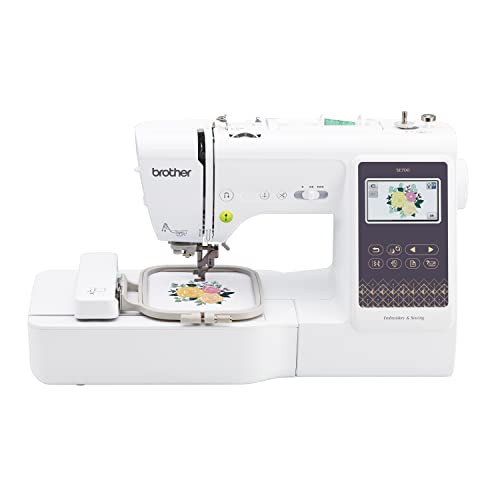
Embroidery is an art form that has evolved significantly with the advent of technology. Today, machines that embroider have become essential tools for both hobbyists and professionals, transforming intricate designs into beautiful textile creations. From personalized clothing to decorative home accessories, these machines open a new world of possibilities for creativity and craftsmanship. In this article, we will explore the different types of embroidery machines, their features, how to choose the right one, and tips for getting the most out of your machine.
Table of Contents
- Types of Embroidery Machines
- Features to Consider
- Choosing the Right Machine
- Tips for Using Embroidery Machines
- FAQ
Types of Embroidery Machines
1. Home Embroidery Machines
Home embroidery machines are designed for personal use, making them ideal for hobbyists and small business owners. They are generally compact and user-friendly, featuring a range of built-in designs and fonts.
2. Commercial Embroidery Machines
Commercial embroidery machines are built for larger scale production. They offer faster stitching speeds and larger embroidery areas, making them perfect for businesses that require high-volume output.
3. Multi-Needle Embroidery Machines
These machines can hold multiple spools of thread, allowing for more complex designs without needing to stop and change colors manually. They are ideal for both commercial purposes and serious hobbyists.
4. Sewing and Embroidery Combo Machines
Combo machines function as both a sewing machine and an embroidery machine. They are perfect for those who want to dabble in both activities without investing in two separate machines.
Features to Consider
1. Embroidery Area
The embroidery area refers to the maximum size of the design that the machine can handle. If you plan to work on larger projects, look for machines with a larger embroidery area.
2. Built-In Designs and Fonts
Many machines come with a variety of built-in designs and fonts. A wider selection allows for more creativity in your projects. For a deep dive into available fonts, check out our review of embroidery machine fonts.
3. Threading System
An automatic threading system can save a lot of time and frustration. Look for machines that simplify the threading process, especially if you’re new to embroidery.
4. Connectivity
Some modern embroidery machines offer USB connectivity, allowing you to upload custom designs directly to the machine. This feature can significantly expand your design possibilities.
5. Ease of Use
Consider the user interface and whether the machine has a touchscreen. A more intuitive design can make your embroidery experience smoother.
Choosing the Right Machine
When selecting the right embroidery machine, it’s essential to consider your specific needs and budget. Here are some key factors to help guide your decision:
1. Assess Your Needs
Are you a hobbyist looking to create personalized gifts, or are you a small business owner needing to produce larger quantities? Understanding your primary use will help narrow down your options.
2. Set a Budget
Embroidery machines can vary significantly in price. Set a budget that accounts for not only the machine but also necessary accessories like hoops, stabilizers, and threads.
3. Research Brands
Popular brands like Brother, Janome, and Bernina offer a range of machines with varying features and price points. Research the offerings from different manufacturers to find one that best fits your needs.
4. Read Reviews
Check out user reviews and testimonials to gauge the reliability and performance of different models. This will provide insight into potential issues and the overall user experience.
5. Test Before You Buy
If possible, visit a local sewing machine store to test out different models. This will give you a feel for the machine and its features before making a purchase.
Tips for Using Embroidery Machines
Once you have your machine, here are some tips to help you maximize its potential:
1. Use Quality Materials
Investing in high-quality threads and fabrics can make a significant difference in the final outcome of your embroidery projects. Poor-quality materials can lead to thread breaks and uneven stitching.
2. Maintain Your Machine
Regular maintenance is crucial for the longevity of your embroidery machine. Clean it after every few projects, and follow the manufacturer’s guidelines for oiling and servicing.
3. Test Your Designs
Before committing to a large project, test your designs on scrap fabric. This helps you catch any issues and allows you to make necessary adjustments before working on the final piece.
4. Experiment with Stabilizers
Using the right stabilizer can greatly affect the quality of your embroidery. Experiment with different types to find what works best for your specific fabric and design.
5. Learn About Software
If your machine supports it, consider investing in embroidery software. This allows you to create custom designs and edit existing ones, giving you greater control over your projects.
FAQ
Conclusion
Machines that embroider have revolutionized the way we approach textile design. With various types and features available, there is an ideal machine for everyone, whether you are a casual crafter or a commercial embroiderer. By understanding the different types, considering essential features, and following best practices, you can make the most of your embroidery machine and unleash your creativity. Remember to choose quality materials, maintain your machine, and experiment with designs to achieve stunning results. Happy embroidering!