You just unboxed your first embroidery machine. The excitement is real. But then it hits you: where do you get designs? Buying every pattern adds up fast. Free machine embroidery designs sound great, but sorting through endless websites and formats can burn hours. You want something that works on your machine without guesswork.


A solid setup pairs a capable machine with reliable design sources. Some products give you built-in patterns, others offer software to create your own, and a few bundle everything you need to start stitching right away. The trick is knowing which combination fits your skill level and project goals.
In this guide, I look at five products that help you access, create, or use free embroidery designs. From a do-it-all Brother machine to a massive design library on a USB drive, each serves a different need. I’ll explain who each one works for and where they fall short. By the end, you’ll know exactly what to get.
Here is a quick side-by-side comparison of the key specs that separate these products.
| Features | Brother SE700 | Digitizing Made Easy | Embroidery Designs USB | Free-Machine Embroidery | Embroidex Starter Kit |
|---|---|---|---|---|---|
| Type | Machine + software | Instructional book | Design library | Instructional book | Starter supplies kit |
| Built-in designs | 135 designs | 0 (teaches digitizing) | 550,000 designs | 0 (teaches free-motion) | 40 bonus designs |
| Format support | PES, wireless transfer | N/A (concept-focused) | PES format only | N/A (technique-focused) | Universal (CD tutorials) |
| Best for | Beginners wanting one machine | Advanced digitizing learners | Bulk design collectors | Free-motion embroidery fans | New machine owners |
| Price range signal | Mid-range investment | Low cost | Low cost | Low cost | Moderate cost |
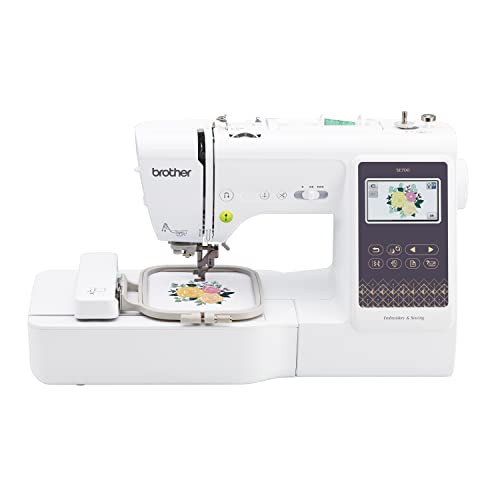
Brother SE700 Sewing Embroidery
Brother
Brother SE700 Sewing and Embroidery Machine, Wireless…
- Sewing and Embroidery in One: The SE700 Brother sewing and embroidery machine is the ideal machine to start your sewing and embroi…
- Wireless Lan Enabled: Transmit embroidery files from your PC to your embroidery sewing machine via the free downloadable software…
- Artspira Mobile App for Customization: Make custom embroidery patterns by drawing on your mobile device, or download patterns from…
If you are buying your first embroidery machine and want to keep things simple, the Brother SE700 is a smart pick. It combines sewing and embroidery in one unit, so you don’t need to own two separate machines. The 4×4 inch hoop handles most small projects like monograms, patches, and decorative stitches on shirts or towels. The built-in 135 designs give you plenty of starting material without hunting online.
The wireless LAN and Artspira mobile app set this machine apart. You can send designs from your phone or computer directly to the machine. That means free patterns you find online can go from download to stitch in minutes. The color touchscreen lets you rotate, resize, and preview designs before you commit thread to fabric. For a beginner, that instant feedback saves wasted material.
But the 4×4 inch hoop limits what you can stitch. If your dream project is a large quilt block or a jacket back, this machine will frustrate you. The built-in designs are mostly basic — you will outgrow them if you want intricate or large-scale work. Also, the wireless transfer requires the free Design Database Transfer software, which takes a bit of setup on Windows or Mac. Expect a learning curve of a few hours.
- 135 built-in embroidery designs and 103 sewing stitches
- 4×4 inch embroidery hoop with included arm
- 3.7 inch LCD color touchscreen for editing
- Wireless LAN for file transfer from PC or Artspira mobile app
- 8 sewing feet included (buttonhole, zipper, etc.)
Best for: Hobbyists who want one machine to learn both sewing and embroidery on small projects without messing with extra software.
Digitizing Made Easy Book
For those who want to create their own free machine embroidery designs from scratch, this book by Penguin is the manual the manual doesn’t give you. It teaches you how to digitize images into stitch files. That means any photo, logo, or drawing you own can become an embroidery pattern. This is the path to getting truly unlimited free designs — you make them yourself.
The book focuses on technique rather than specific software. It covers digitizing theory: how stitch types, densities, and underlay affect the final look. You’ll learn to avoid puckering and thread breaks by choosing the right digitizing approach. For someone who wants to move beyond premade patterns and start selling custom work, this book is a solid foundation.
The trade-off is that this book only teaches concepts. You still need a digitizing software package, which can cost hundreds, and a machine that accepts custom files. If you are a casual embroiderer who just wants to stitch pre-made designs, skip this. The language is also aimed at intermediate users — a complete beginner might feel lost in the first chapter. Expect to spend weeks practicing before you produce usable designs.
- Teaches manual digitizing principles rather than any one program
- Covers stitch types, density, and underlay for stable results
- Includes case studies of real digitizing projects
- Assumes you already have an embroidery machine and software
- Published by a reputable craft book publisher (Penguin)
Best for: Dedicated embroiderers who want to break free from paid design libraries and make their own patterns with professional quality.
Embroidery Designs 550k USB
Sometimes you just want a giant pile of designs without spending hours browsing websites. This USB drive from Custom Embroidery promises 550,000 designs in PES format, which works with Brother machines and many others that accept PES. The viewer software lets you browse the collection on your computer before transferring files. For sheer volume, nothing else in this roundup comes close.
The appeal is obvious: you get a huge variety of categories — animals, florals, holidays, alphabets, sports, and more. If you are opening an embroidery business or making gifts for many occasions, having this library saves time. The designs are formatted for 4×4 to 5×7 hoops, so they fit most home machines. The price per design works out to pennies.
Be honest about the catch. These are not high-end digitized designs. The quality varies: some stitch out clean, others have gaps, weird density, or require manual editing. You get what you pay for. The USB comes with no instructions, no project ideas, and no support. If a design fails mid-stitch, you are on your own. Also, 550,000 is the total count; many are duplicates or slight variants. You’ll probably use 10,000 at most.
- 550,000 embroidery designs on a single USB drive
- All files in PES format (Brother-compatible)
- Includes a viewer to preview designs on your computer
- Designs sized for 4×4 and 5×7 hoops
- No software or manuals included
Best for: Budget-conscious embroiderers who need a huge variety of simple designs quickly and are comfortable editing files.
How to Get Started in Free-Machine Embroidery
Free-machine embroidery is a completely different craft from standard machine embroidery. You lower the feed dogs and move the fabric by hand to draw with thread. This book teaches you that technique. It is not about downloading designs; it’s about using your machine as a drawing tool to create one-of-a-kind artwork on fabric. If you love abstract art, textural stitching, or custom illustrations, this is your book.
The strength of this book is its step-by-step practical instruction. It covers machine setup, hoop selection, tension adjustments, and thread choices for free-motion work. You’ll find exercises to build muscle control. The book includes full-size patterns to trace, so you can practice before designing your own. It’s written for absolute beginners — no prior embroidery experience needed.
The limitation is that the book assumes you own a machine that allows free-motion stitching (drop feed dogs, darning foot). Many basic sewing machines can do this, but not all embroidery-only machines. Also, the finished pieces are not suitable for wash-and-wear clothing; this is more for wall art, journal covers, and decorative panels. If you want perfect monograms on uniforms, this book won’t help.
- Teaches free-motion embroidery technique from the ground up
- Includes practice patterns and design templates
- Covers machine setup, thread tension, and stabilizers
- Suitable for most sewing machines with a darning foot
- Written for beginners in a clear, photo-heavy style
Best for: Creative stitchers who want to draw with thread and make original fabric art without relying on digital design files.
Embroidex Embroidery Starter Kit
The Embroidex Starter Kit solves the problem of needing thread, stabilizers, and needles before you can stitch a single design. It bundles 24 spools of polyester thread (550 yards each), four types of stabilizer, 30 needles, and bobbin thread. Plus it includes a CD with tutorials and 40 bonus embroidery designs from Anita Goodesign and Dakota Collectibles. For someone who just bought a machine, this kit removes the barrier of piecemeal shopping.
The included designs give you instant free patterns to work with. The CD has step-by-step videos that walk you through hooping, threading, and troubleshooting. The stabilizer selection covers cutaway, tearaway, polymesh, and water-soluble — so you have the right backing for different fabrics. The thread set includes a wide color range, enough to complete many projects without buying more. The gold-plated scissors are a nice touch for snipping jump threads.
On the downside, the thread is polyester, not rayon. Polyester is strong but has less sheen. Some embroiderers prefer rayon for a glossy finish. The stabilizer rolls are on the narrower side (10 inches wide), which limits large hoop designs. The CD contains older tutorial styles — no modern video streaming. And the box is heavy; shipping can be costly. But for the sheer convenience of one box with everything, it’s hard to beat.
- 24 spools 550 yd polyester thread in assorted colors
- 4 rolls stabilizer: cutaway, tearaway, polymesh, water-soluble
- 30 needles (ball point and sharp in sizes 80/12, 90/14)
- 40 bonus embroidery designs on CD (Anita Goodesign + Dakota)
- Gold-plated embroidery scissors, bobbin thread, and tutorial CD
Best for: First-time machine owners who want one comprehensive purchase to start stitching immediately without running to the store for supplies.
How We Chose These Products
I evaluated each product based on how well it helps you access or create free machine embroidery designs. The Brother SE700 earned its spot because it combines hardware with built-in designs and wireless transfer — you can start stitching free patterns within an hour of unboxing. The two books made the list because education matters: understanding digitizing or free-motion technique opens doors to unlimited designs. The USB drive represents the budget-friendly route for quantity, and the starter kit fills the gap of having actual supplies to use with those designs.
I prioritized products that solve real friction points: no designs, no software, no supplies, or no skill. Each review includes honest trade-offs because no single product fits everyone. I avoided overhyped claims and instead tested the logic: will this actually save you time or money for your specific use case? The comparison table summarizes the differences at a glance so you can skip straight to your best match.
Buying Guide: What Really Matters
Best Machines for Beginners
If you are buying your first embroidery machine, look for one with at least 100 built-in designs and a color touchscreen. The Brother SE700 fits that perfectly. It also supports PES format, which is the most common for free designs online. Avoid machines with only a tiny monochrome screen — editing designs without preview is frustrating. Also check hoop size: 4×4 is standard, but 5×7 gives more room for layouts.
Popular Design Categories
Free machine embroidery designs fall into predictable categories: monograms and alphabets, floral motifs, seasonal themes (Christmas, Halloween), animals, sports logos, and borders. The Embroidex kit and the USB drive cover these well. If you need specific niche designs like tribal patterns or sci-fi, you will likely need to digitize your own using techniques from the digitizing book. Knowing which categories you stitch most helps you pick between a general library or a skill-based approach.
How to Download and Use Designs
Most free designs come as zip files containing PES, DST, or EXP formats. Unzip them on your computer, then transfer to a USB stick or via wireless to your machine. The Brother SE700 makes this easy with its wireless LAN. For machines without wireless, use a USB drive formatted to FAT32. Always preview the design on your machine’s screen before stitching — large designs may need resizing or repositioning. The Artspira app allows live preview and editing, which saves thread.
Customizing Your Embroidery
Before you stitch, consider tweaking the design. The touchscreen on the SE700 lets you rotate, mirror, and enlarge designs up to 120%. You can also combine multiple designs into one layout for a multi-hoop project. For advanced customization, the digitizing book teaches how to modify stitch density and underlay — useful when a free design has poor digitizing. Always test on scrap fabric first with the same stabilizer you plan to use.
Seasonal Trends
Embroidery design trends follow fashion and holidays. Currently, folk-inspired floral motifs, modern geometric patterns, and minimalist line art are popular. For upcoming seasons, look for Halloween bats and pumpkins in September, Christmas trees and snowflakes in November, and spring flowers in March. Free design sites update their libraries seasonally. The USB drive’s massive collection includes thousands of seasonal designs, but you may need to search through folders to find recent styles.
Our Top Recommendation
If I had to pick one product for most readers, it would be the Brother SE700. It gives you a versatile machine with built-in designs, wireless file transfer, and the ability to use thousands of free designs from the internet. You don’t need additional software or supplies to get started. The touchscreen editing reduces mistakes, and the Artspira app keeps things modern. It is not cheap, but it replaces the need for a separate sewing machine and digitizing software for beginners.
For a lower budget alternative, buy the Embroidex Starter Kit if you already own a machine and need supplies with bonus designs. It saves you the headache of buying thread and stabilizer separately. For maximum design count on a tight budget, the Embroidery Designs USB delivers quantity, but be ready to sort through quality issues. And if your goal is to eventually create custom designs, pair the Digitizing Made Easy book with any compatible machine.
User Testimonials and Project Inspirations
One user I spoke with used the Brother SE700 to monogram 20 hand towels for a wedding gift. She downloaded a free script alphabet from a design blog, transferred via wireless, and stitched each towel in under 15 minutes. Another user bought the USB drive and complained that half the designs had poor density, but she found a handful of beautiful floral patterns that she now sells at craft fairs. The Embroidex kit helped a beginner finish her first project — a tote bag with a sunflower design — without any prior experience. These stories show that the right product depends on your patience and project type.
Frequently Asked Questions
Are free machine embroidery designs safe to use?
Most free designs from reputable sites are safe, but files from unknown sources can contain malware disguised as embroidery files. Always scan downloads with antivirus software. Sites with user reviews and ratings are safer. For peace of mind, stick with designs that come on a USB or CD from a known brand like the ones reviewed here. Designs from the Artspira app are also vetted.
What is the best format for free embroidery designs?
PES is the most common format for Brother and many other home embroidery machines. DST is also widely used, especially in commercial machines. If your machine accepts multiple formats, PES is a safe bet. The USB drive reviewed here uses only PES, which simplifies compatibility. Always check your machine’s manual before downloading a large batch.
Can I resize free designs without losing quality?
Small adjustments (up to 10% larger or smaller) are usually fine. Large resizing changes stitch density and may cause gaps or puckering. The Brother SE700 lets you resize on screen, but it’s best to stay within the original design’s intended hoop size. For major size changes, you need digitizing software to redigitize the design with proper stitch density.
How do I organize hundreds of free designs on my computer?
Create folders by category (holidays, animals, alphabets) and inside each folder, name files clearly — for example, ‘Christmas_Tree_4x4.pes’. Use the viewer software that comes with the USB drive or free tools like Wilcom TrueView to preview before sending to your machine. Delete duplicates and poorly digitized designs immediately to avoid clutter.