When it comes to sewing and embroidery, the tools you choose can make all the difference. Among the various types of sewing machines available, the chain stitch sewing machine stands out for its versatility and efficiency. Whether you’re a hobbyist looking to create unique pieces or a professional in need of a reliable machine for production, understanding the features and benefits of chain stitch sewing machines is essential. This guide dives deep into the world of chain stitch sewing machines, offering insights, tips, and everything you need to know to make an informed decision.
What is a Chain Stitch Sewing Machine?
A chain stitch sewing machine is a specialized sewing machine that creates stitches using a single thread and a loop mechanism. Unlike lockstitch machines that interlock two threads, chain stitch machines produce a continuous chain of stitches, which is particularly useful for sewing lightweight fabrics or creating decorative designs. This type of sewing is commonly found in both home and industrial settings, catering to various sewing needs.
Benefits of Chain Stitch Sewing Machines
Chain stitch sewing machines offer numerous advantages that make them popular among sewers:
- Speed: Chain stitch machines operate at high speeds, allowing for quick sewing and embroidery processes.
- Flexibility: These machines are versatile, making them suitable for various fabrics, from lightweight materials to heavier textiles.
- Durability: The chain stitch is known for its strength, making it ideal for seams that require extra durability.
- Cost-Effective: Chain stitch machines can often be more affordable than multi-thread machines, especially for basic sewing tasks.
How Does a Chain Stitch Sewing Machine Work?
The operation of a chain stitch sewing machine is distinct from other sewing machines. Here’s a breakdown of how it works:
- The machine uses a single thread that is fed through a needle.
- The needle penetrates the fabric and creates a loop of thread.
- A looper catches the thread and forms a chain stitch by looping the thread around the fabric.
- The process continues, creating a series of interlocking loops that form the stitch.
Types of Chain Stitch Sewing Machines
There are two primary categories of chain stitch sewing machines: industrial and home models. Understanding the differences between these types can help you choose the right machine for your needs.
Industrial Chain Stitch Machines
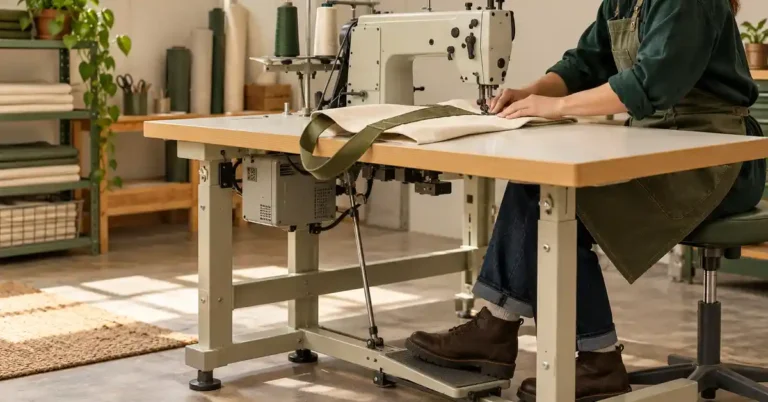
Industrial chain stitch sewing machines are designed for high-volume sewing tasks and are commonly used in garment factories. They are built for durability and can handle continuous operation. Features often include:
- High-speed operation (up to 5000 stitches per minute)
- Heavy-duty construction for longevity
- Automatic lubrication systems
Home Chain Stitch Machines
Home chain stitch sewing machines are more compact and user-friendly, making them ideal for hobbyists and small projects. They typically include features like:
- Built-in stitch patterns for decorative sewing
- Adjustable speed settings for varying levels of sewing
- Lightweight and portable designs
Choosing the Right Chain Stitch Sewing Machine
When selecting a chain stitch sewing machine, consider the following factors:
- Purpose: Determine whether you need a machine for personal or professional use.
- Budget: Set a budget that fits your sewing needs without compromising on essential features.
- Features: Look for features that will enhance your sewing experience, such as automatic threading, stitch selection, and portability.
Maintenance and Care for Chain Stitch Machines
Proper maintenance of your chain stitch sewing machine is crucial for its longevity and performance. Here are some essential maintenance tips:
- Regular Cleaning: Clean the machine frequently to remove dust and lint buildup.
- Oil the Machine: Follow the manufacturer’s instructions for oiling the machine to keep it running smoothly.
- Check Tension: Regularly check and adjust the thread tension to ensure consistent stitching.
Common Issues and Solutions
Even the best machines can experience issues. Here are some common problems with chain stitch sewing machines and their solutions:
| Issue | Possible Causes | Solutions |
|---|---|---|
| Skipped Stitches | Incorrect needle size or threading | Change the needle and ensure proper threading |
| Thread Breakage | Incorrect tension or poor-quality thread | Adjust tension and use high-quality thread |
| Fabric Snagging | Using the wrong needle or foot | Switch to a compatible needle and foot for your fabric type |
A: While chain stitch machines can be used for quilting, they are not as commonly utilized for this purpose due to the need for interlocking stitches for durability. A lockstitch machine is typically preferred for quilting projects.
A: Chain stitch sewing machines are ideal for lightweight and medium-weight fabrics like cotton, polyester, and silk. They are not recommended for heavy fabrics, which may require a stronger stitch.
A: Regular maintenance is crucial, but a full service is typically recommended every one to two years, depending on usage. Frequent users may need to service their machines more often.
Frequently Asked Questions
A: The main difference is that a chain stitch uses a single thread and a loop to form a stitch, while a lockstitch uses two threads that interlock to create a secure stitch. Chain stitches are generally more flexible but less secure than lockstitches.
A: Yes, many chain stitch machines come equipped with various stitch patterns that can be used for decorative purposes, making them great for embellishing garments and crafts.
In conclusion, a chain stitch sewing machine is an excellent investment for anyone involved in sewing and embroidery. Whether for professional use or personal projects, understanding the mechanics, benefits, and maintenance of these machines will enhance your sewing experience. By choosing the right machine and taking good care of it, you can unlock the full potential of chain stitch sewing, creating beautiful and durable pieces. If you’re looking for the perfect infant blanks for embroidery projects or want to explore other sewing machinery, be sure to check out our recommendations. Happy sewing!