When it comes to sewing machines, Juki is a name that consistently stands out for its high-quality performance and innovative features. Whether you are a seasoned seamstress or a beginner, a Juki sewing machine can elevate your sewing experience and enhance your creativity. This guide will provide you with essential information about Juki sewing machines, helping you choose the right model for your needs and understanding how to get the most out of your machine.
Why Choose a Juki Sewing Machine?
Juki sewing machines are celebrated for their exceptional quality and durability. They are designed to handle various fabrics and sewing techniques, making them a versatile choice for any sewing enthusiast. Here are some reasons to consider a Juki sewing machine:
Reliability and Performance
Juki machines are built to last, often featuring metal frames that provide stability and longevity. This reliability translates into consistent performance, allowing you to tackle projects with confidence.
Versatility
From basic sewing to complex embroidery, Juki offers a range of machines that cater to different sewing needs. Whether you want to quilt, piece garments, or create intricate designs, there’s a Juki model for you.
User-Friendly Features
Many Juki machines come equipped with intuitive controls and helpful features, making them accessible for beginners while still offering advanced options for experienced sewists.
Types of Juki Sewing Machines
Juki offers several types of sewing machines, each designed for different sewing applications. Below are the primary categories:
Mechanical Sewing Machines
These machines are straightforward and are ideal for basic sewing tasks. They usually have a limited number of stitches and are perfect for beginners.
Electronic Sewing Machines
Electronic models come with a digital interface and offer a wider variety of stitches and features, including automatic buttonholes and programmable stitch settings. They are suitable for both beginners and experienced sewists.
Quilting Machines
Juki’s quilting machines are designed with features that make quilting easier, such as a larger throat space and specialized quilting feet.
Embroidery Machines
If you’re interested in embroidery, Juki offers dedicated embroidery machines that can handle intricate designs with ease. Check out the review of the Solaris embroidery machine for more insights.
Key Features of Juki Sewing Machines
Understanding the features of Juki sewing machines can help you make an informed decision. Here are some standout features:
High-Speed Sewing
Juki machines are known for their high sewing speeds, making it possible to complete projects quickly without sacrificing quality.
Automatic Needle Threader
This feature simplifies the threading process, saving you time and frustration, especially when working with fine threads.
Drop Feed Mechanism
The drop feed feature allows for free-motion sewing, which is essential for quilting and intricate designs.
Adjustable Presser Foot Pressure
Adjusting the presser foot pressure is crucial for working with different fabric types, ensuring that your stitches remain consistent and even.
Maintaining Your Juki Sewing Machine
Regular maintenance is essential for keeping your Juki sewing machine in top condition. Here are some maintenance tips:
Cleaning
Dust and lint can accumulate in your machine, affecting performance. Regularly clean the machine, especially around the feed dogs and bobbin area.
Oiling
Some Juki models require oiling to keep the moving parts lubricated. Refer to your user manual for specific instructions on oiling your machine.
| Maintenance Task | Frequency |
|---|---|
| Cleaning | After every project |
| Oiling | Every few months (or as needed) |
| Needle Replacement | Every 8 hours of sewing or when damaged |
Regular Servicing
Consider taking your machine for professional servicing once a year to ensure optimal performance.
Accessories and Upgrades for Juki Machines
Enhancing your Juki sewing machine with the right accessories can significantly improve your sewing experience. Here are some popular accessories:
Walking Foot
A walking foot is particularly useful for quilting and sewing multiple layers, providing even feeding of fabric.
Free Motion Quilting Foot
This foot allows for free-motion quilting, enabling you to create intricate designs effortlessly.
Embroidery Feet
If you have an embroidery machine, various embroidery feet can help achieve different effects and techniques.
Extension Tables
Extension tables provide extra workspace, making it easier to manage larger projects, such as quilts and garments.
Frequently Asked Questions
A: The Juki HZL-29Z is a great choice for beginners due to its user-friendly features and affordable price.
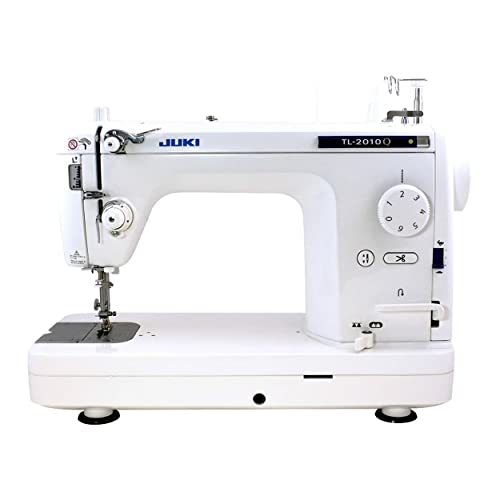
A: Yes, Juki offers specific models designed for embroidery, such as the Juki TL-2010Q, which can also handle quilting tasks effectively.
A: It’s recommended to have your machine serviced at least once a year, depending on usage.
A: Yes, many online platforms offer tutorials, and you can also find valuable information on Juki’s official website.
Conclusion
Choosing a Juki sewing machine can be a game-changer for your sewing projects. With their exceptional reliability, user-friendly features, and versatility, Juki machines cater to a wide range of sewing needs. By understanding the types of machines available, maintaining your machine properly, and exploring the right accessories, you can elevate your sewing experience to new heights. Whether you are interested in quilting, embroidery, or general sewing, Juki has a machine that will meet your needs and inspire your creativity. For more in-depth information on embroidery machines, check out our review of the Happy 15 Needle Embroidery Machine or explore fun and easy embroidery iron-on transfers for beginners.