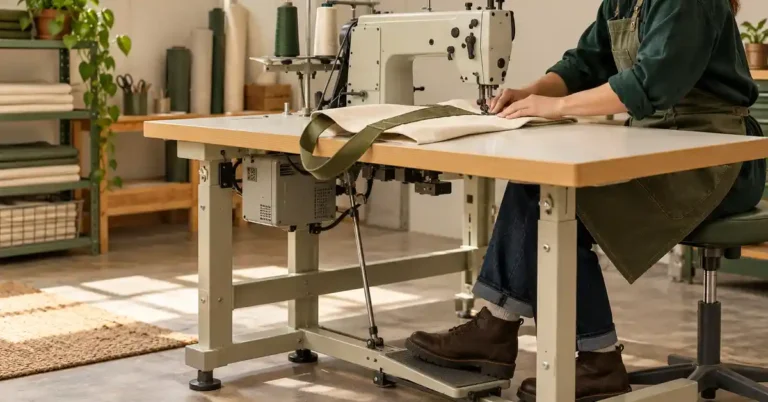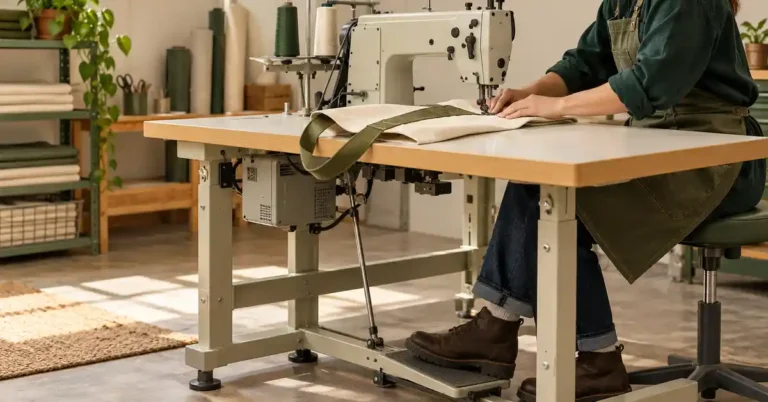
Mechanical sewing machines have been a staple in the world of sewing for decades, providing a reliable and straightforward way to stitch fabric together. Unlike their computerized counterparts, mechanical machines rely on a system of gears and levers to operate, making them a preferred choice for many sewists who appreciate simplicity and direct control. Whether you’re a beginner looking to create your first project or an experienced sewer wishing to revisit the fundamentals, understanding what a mechanical sewing machine is and how it operates can enhance your sewing journey.
What is a Mechanical Sewing Machine?
A mechanical sewing machine is a type of sewing machine that uses mechanical parts and levers to sew fabric together. Unlike electronic or computerized machines, which often include digital displays and programmable stitches, mechanical machines operate with a straightforward design. They typically consist of a hand wheel, stitch length adjustment dial, and stitch width adjustment, allowing users to manually control the sewing process. This simplicity appeals to those who prefer a tactile connection to their work and enjoy the process of manually adjusting settings.
Key Components of Mechanical Sewing Machines
Understanding the components of a mechanical sewing machine is essential for effective use and maintenance. Here are the key parts you will find:
| Component | Description |
|---|---|
| Hand Wheel | Used to manually raise and lower the needle, and control the sewing process. |
| Needle | The part that pierces the fabric to create stitches. |
| Presser Foot | Holds the fabric in place while sewing. Different types of presser feet are available for various tasks. |
| Stitch Selector Dial | Allows you to choose different stitch types and styles. |
| Bobbin and Bobbin Case | The bobbin supplies the lower thread for sewing. The bobbin case holds it in place. |
| Feed Dogs | Small teeth-like components that move the fabric under the needle as you sew. |
| Thread Tension Dial | Adjusts the tension of the upper thread for optimal stitching. |
Types of Mechanical Sewing Machines
Mechanical sewing machines come in a variety of models, each designed to cater to specific needs. Here are a few common types:
- Basic Mechanical Machines: These machines offer essential features for everyday sewing tasks, making them perfect for beginners.
- Heavy-Duty Mechanical Machines: Designed to handle thicker fabrics and tougher projects, these machines are ideal for upholstery work.
- Quilting Mechanical Machines: Equipped with features tailored for quilting, such as a larger throat space and specialized presser feet.
Benefits of Using a Mechanical Sewing Machine
Mechanical sewing machines come with numerous benefits that make them a popular choice among sewists of all levels:
1. Simplicity and Ease of Use
Mechanical machines are straightforward, making them easy to operate, especially for beginners. The lack of complex electronics means there’s less to learn, allowing users to focus on honing their sewing skills.
2. Reliability
These machines are known for their durability and dependability. With proper maintenance, a mechanical sewing machine can last for many years, providing consistent performance.
3. Cost-Effectiveness
Mechanical sewing machines are often less expensive than computerized models, making them an economical choice for those new to sewing or on a budget.
4. Full Control
Many sewists appreciate the direct control over their sewing process. Adjusting stitch length and width manually allows for greater precision and creativity.
Drawbacks of Mechanical Sewing Machines
While mechanical sewing machines have many advantages, they also come with a few drawbacks:
1. Limited Stitch Options
Unlike computerized machines, mechanical models typically offer a limited number of stitch types. This can be a limitation for sewists who enjoy exploring different stitch styles.
2. Manual Adjustments Required
While some sewists appreciate the hands-on control, others may find the need for manual adjustments cumbersome. This can be especially true for those who prefer the convenience of automatic settings found in computerized machines.
3. Less Advanced Features
Features like automatic needle threading, built-in embroidery designs, and digital displays are often absent in mechanical machines. This can be a disadvantage for sewists looking for more advanced functionalities.
Maintenance Tips for Mechanical Sewing Machines
Proper maintenance is essential for keeping your mechanical sewing machine in top condition. Here are some key tips:
1. Regular Cleaning
Dust and lint can accumulate in your sewing machine, affecting its performance. Clean the machine regularly, especially around the bobbin area and feed dogs.
2. Oil the Machine
A few drops of sewing machine oil can keep the moving parts lubricated. Refer to your user manual for specific oiling points and instructions.
3. Check Tension
Regularly check the thread tension to ensure it is set correctly. Incorrect tension can lead to uneven stitches and fabric bunching.
4. Store Properly
When not in use, cover your machine to protect it from dust and debris. Always store it in a dry place to prevent rusting.
A: Yes, many mechanical sewing machines are designed to handle a variety of fabrics, including heavier materials like denim and canvas. However, always check the machine’s specifications to ensure it can accommodate thicker fabrics.
A: Yes, while they may not have as many features as specialized quilting machines, many mechanical sewing machines can be used for quilting. Look for models with a larger throat space for easier handling of quilts.
A: Common issues include thread jams, skipped stitches, and uneven tension. Refer to your manual for troubleshooting steps, and consider checking the needle, threading, and tension settings as first steps.
FAQs about Mechanical Sewing Machines
Here are some frequently asked questions regarding mechanical sewing machines:
A: The best mechanical sewing machine for beginners is one that is user-friendly, with essential features and a reasonable price. Look for models with adjustable stitch length and width, easy threading, and a good variety of stitches.
A: Yes, but it’s important to use the correct needle and stitch type. A zigzag stitch is often recommended for stretchy fabrics to allow for some give.
A: It’s recommended to service your machine at least once a year, especially if you sew frequently. Regular maintenance and cleaning can also help prevent issues.
Conclusion
Mechanical sewing machines offer a blend of simplicity, reliability, and affordability, making them an excellent choice for both beginners and seasoned sewists. By understanding their components, benefits, and maintenance needs, users can maximize their sewing experience and create beautiful projects with ease. Whether you’re looking to sew garments, home decor, or quilts, a mechanical sewing machine can be a valuable tool in your creative arsenal. For those ready to explore further, check out our guides on Transform Your Holiday Decor with Easy Iron Transfers!, Transform Your Mac: Discover This Embroidery Game-Changer!, Vibrant Hat Embroidery Designs – Easy to Use!, Personalize Style with Lids Custom Hat Embroidery, and Brother SE600: A Creative Embroiderer’s Dream Machine. Happy sewing!