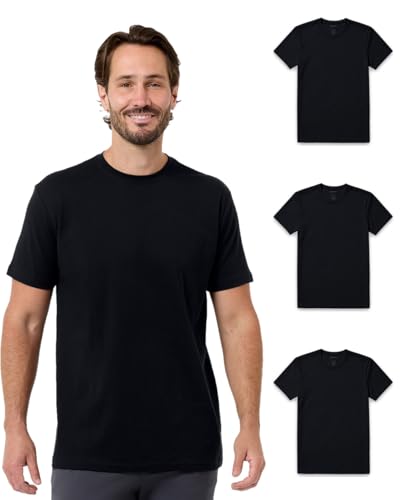
What Is Pima Cotton? Pima vs Supima vs Regular Cotton Explained
Pima is an extra-long-staple cotton prized for softness and strength. Here is how it compares with Supima, Egyptian and regular cotton, and what our lab data says about shrinkage.
On this page
What is Pima cotton?
Pima cotton is a premium type of cotton known for its extra-long staple, the length of each individual fibre. It comes from the species Gossypium barbadense, while most cotton in the world comes from Gossypium hirsutum, called upland cotton. Pima fibres typically measure around 1.4 inches (about 35 mm) or more, against roughly 1 to 1.2 inches for upland cotton.
The name honours the Pima people (Akimel O’odham), who helped grow the cotton on a US government experimental farm in Arizona in the early 1900s. Today Pima is grown mainly in California, Arizona, Texas and New Mexico, in Peru, and in Australia and Israel.
Pima cotton at a glance
- Species
- Gossypium barbadense (extra-long staple)
- Fibre length
- About 1.4 inches (35 mm) or more
- Main origins
- USA (Southwest), Peru, Australia, Israel
- Feel
- Smooth, soft, slight sheen
- Common uses
- T-shirts, polos, shirts, bedding, baby clothes
- Care
- 30 to 40 C wash, low or line dry
Why staple length matters
When cotton is spun into yarn, the fibres are twisted together. Longer fibres overlap more, so the yarn can be finer and still strong, and fewer fibre ends stick out of the surface. Those loose ends are what make fabric feel fuzzy and what roll up into pills.
In practice, longer staple lets spinners make fine combed or compact yarns for lightweight jersey and high thread-count shirting that feel smooth and look slightly lustrous. Colour also looks cleaner because the smooth surface reflects light evenly.
Pima vs Supima vs Egyptian cotton
Supima
Supima is a trademark licensed by the Supima association for products made from 100 percent American-grown Pima. Licensed brands must meet content and traceability requirements, and the association describes Supima as under 1 percent of the world’s cotton. In short: all Supima is Pima, but not all Pima is Supima. Our review of Uniqlo’s Supima cotton T-shirts shows what that means in a mass-market basic.
Peruvian Pima
Peru grows highly regarded Pima, often hand-picked, which keeps fibres long and clean. It is popular in premium knitwear and baby clothes.
Egyptian cotton
Egyptian cotton includes extra-long-staple Giza varieties from the same species as Pima. Because “Egyptian cotton” only means cotton grown in Egypt, the label alone does not guarantee extra-long staple, and mislabelling has been a problem, so look for a certified source.
Pima cotton vs regular cotton
Strengths
- Noticeably smoother and softer handle
- Stronger yarn, so lighter fabrics still last
- Pills less and stays looking new longer
- Rich, clean colour and subtle lustre
Drawbacks
- Costs more than upland cotton
- Still cotton: wrinkles and can shrink
- “Pima” claims are hard to verify without a certified label
- Needs irrigation in dry growing regions
Does Pima cotton shrink? What our data shows
Fibre quality improves feel and durability, but shrinkage is mostly decided by how the fabric is knitted and finished. Knitted cotton is stretched during processing; if it is not relaxed and compacted at the mill, it pulls back in the first hot wash, whatever the staple length.
From our lab data
In our team’s 2026 floor shrinkage records for knit fabrics (more than 17,000 production rows), the median length shrinkage after tumble drying was about -6 percent for 100 percent cotton, against about -4 percent for cotton-polyester (CVC and PC) blends. Cotton fabric weight also rose about 9 percent after washing, because the fabric shrinks and thickens. Across 744 lab reports reviewed in the same period, 100 percent cotton failed shrinkage tests in about 45 percent of cases, and tumble-dried tests failed more often than line-dried ones. These reports were mostly ones flagged for review, so typical failure rates are lower, but the lesson for a Pima T-shirt is the same: dry it low or flat.
Yarn and fabric terms you will see on Pima garments
- Combed: short fibres are combed out before spinning for a smoother, stronger yarn.
- Compact spun: fibres are condensed during spinning, reducing hairiness and pilling further.
- Yarn count (Ne): a higher number means finer yarn. Everyday T-shirts often use around 20s to 30s; fine Pima jersey often uses 40s or finer.
- GSM: grams per square metre. Light T-shirts are roughly 120 to 150 GSM, mid-weight 160 to 180 GSM, heavyweight 200 GSM and up.
- Single jersey and interlock: single jersey is the classic T-shirt knit; interlock is a double knit that is smoother on both sides and more stable.
- Mercerised: a finish that adds lustre and colour depth, common on Pima polo shirts.
Is Pima cotton worth the extra cost?
For garments worn and washed often, such as T-shirts, polos, underwear and bedding, Pima usually earns its price by staying smooth and keeping its colour for longer. Judge it by cost per wear rather than shelf price. For items that see little wear, or for heavily distressed or printed fashion pieces, a good long-staple upland cotton may be all you need.
Dyeing Pima cotton
Pima dyes with the same fibre-reactive dyes as other cotton, and its smooth surface makes shades look clean and bright. Mercerised Pima takes up even more dye, so deep colours look richer. As with any reactive-dyed cotton, wash dark shades separately for the first few washes.
How to care for Pima cotton
- Wash at 30 to 40 C with similar colours, inside out for printed T-shirts.
- Use a mild detergent; skip chlorine bleach on colours.
- Line dry, dry flat, or tumble on low and remove while slightly damp.
- Reshape knit garments while damp; iron shirts warm while slightly damp.
- Avoid over-drying, which roughens any cotton and speeds pilling.
How to spot genuine Pima
- Look for “100% Pima cotton” or the Supima trademark rather than vague terms like “premium cotton”.
- Feel the surface: Pima jersey is smooth and cool with very little fuzz.
- Check the weight and density: thin, open knits feel less luxurious even in Pima.
- Blends such as “Pima blend” may contain only part Pima; the label should give percentages.
To compare cotton with other fibres, see our fabric types and specifications guide.