

A patch embroidery machine should be chosen for the patch dimensions, design density, repeat quantity and finishing method. Many embroidery machines can stitch suitable patch designs; they do not all make the same border or attachment finish. Plan the complete patch process before selecting equipment. Keep the current manual available when checking features and compatibility. Its purpose is to support an informed comparison of suitable equipment, not promise universal results.
How this guide helps you choose
A patch-production guide separating embroidery from edge finishing and attachment.
Options organized by use
| Option | Reason to compare | Practical selection note |
|---|---|---|
| Brother PE545 | Small patch learning | Consider only designs that fit the small field and allow the planned border. |
| Brother PE900 | Larger home patch workflow | Compare the field and cleanup process for individual patches or suitable layouts. |
| Brother SE2000 | Patch embroidery plus sewing | Ordinary sewing can help with suitable attachment operations after embroidery. |
| Janome Memory Craft 550E | Larger flat layouts | Assess frame support and the complete finishing workflow for grouped designs. |
| bernette 70 DECO | Dedicated patch comparison | Check suitable files, layout dimensions and the actual supplied hoops. |
| Poolin EOC06 | Bundle-based home comparison | The verified listing is a bundle; evaluate supplies and support separately from the machine. |
| Melco BRAVO | Repeated multi-color patches | A commercial category to compare when observed order volume and color changes justify it. |

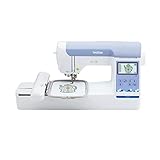


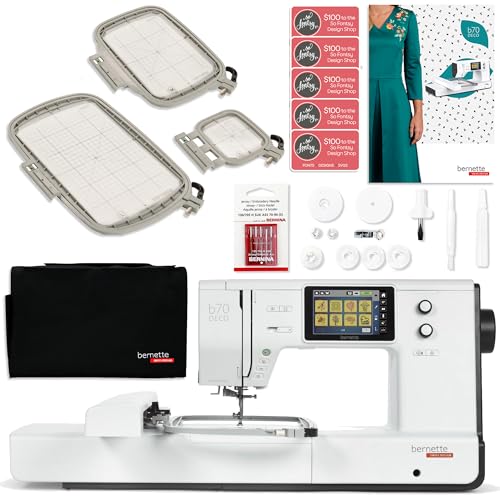

Amazon boxes cover only the specifically verified listings above. Manufacturer and dealer options without a verified ASIN are discussed separately. Bundle contents, condition and availability need checking in the current offer.
Define the finished patch before the machine
Record the patch’s overall size, embroidered area, border style, backing and attachment method. A stitch file is only part of that product definition. The machine field must contain the design and the planned placement, while the finishing process must produce the desired edge.
Decide whether the patch will be sewn on, attached by an appropriate heat-activated backing, or used another way. Follow the backing supplier’s instructions for suitable fabrics and application. Do not promise that every embroidered patch is automatically iron-on or suitable for every garment.
Compare the relevant equipment categories using the embroidery machine buying guide.
A satin border is not a merrowed edge
An embroidery design can include a stitched border. That is a different process from a separate overedge finishing operation often used for commercial patch edges. Choose the appearance and construction deliberately rather than expecting the embroidery machine to perform every type of border.
Test the border after the patch is released and cut or separated using the intended method. Inspect fraying, distortion and the edge’s appearance. If a commercial edge finish is essential to the product, include the required finishing equipment or outsourcing in the plan.
Plan design files and project sizes with the embroidery designs and file guide.
Field size and grouped layouts
A larger field may allow a useful layout of several small patches, but layout size is not the only constraint. Consider spacing, stabilizer handling, design sequence and how the finished patches will be separated. Avoid crowding designs just to fit more pieces into the frame.
Use the actual files and record the arrangement that works. A grouped layout can reduce some handling, but its output should be measured through a complete trial rather than calculated from maximum machine speed alone. Loading and finishing can become the bottleneck.
Connect construction and decoration steps using the sewing and embroidery project guide.
Make the learning sample inexpensive and repeatable
Start with a stable material and a modest design. Choose backing compatible with the intended release and finishing method. Stitch the complete design and inspect lettering, border coverage and distortion after the support is removed as planned.
Change one variable at a time if the result is poor. A dense file or unsuitable material can create problems on a capable machine. Keep the tested design version and supply record so you can reproduce the result instead of beginning again for every batch.
When a commercial patch machine comparison is justified
Repeated multicolor batches may justify a multi-needle category, but the decision should come from actual orders and observed workflow. Small runs may remain practical on a suitable home machine. A larger purchase does not remove border finishing, cutting, backing application or inspection.
Ask a supplier to demonstrate your patch file with the planned material and finish. Compare the complete finished sample and intervention requirements. Choose the equipment that improves a real production constraint, not a promise that the machine makes every stage of a patch automatically.
Five advantages and two limitations
Advantages
- Patch dimensions make field selection concrete.
- Suitable small samples support learning without expensive blanks.
- Combination sewing can support some later attachment work.
- Larger layouts may improve handling when tested.
- Commercial color readiness can suit repeated batch work.
Limitations
- Embroidery does not automatically provide every commercial edge finish.
- Backing, separation and attachment remain separate process decisions.
Check the exact listing and documentation
Brother PE545: Check Brother PE545 listing
Brother PE900: Check Brother PE900 listing
Brother SE2000: Check Brother SE2000 listing
Janome Memory Craft 550E: Check Janome Memory Craft 550E listing
bernette 70 DECO: Check bernette 70 DECO listing
Poolin EOC06: Check Poolin EOC06 listing
Melco BRAVO: Manufacturer information for Melco BRAVO
Frequently asked questions
Can a home embroidery machine make patches?
Many can stitch suitable patch designs within their field. Plan the material, border, backing and finish for the exact design.
Does the machine make a merrowed edge?
Do not assume that. An embroidered satin border and a separate overedge finish are different operations.
Are patches automatically iron-on?
No. That depends on the backing and its documented application process.
Will more patches in one hoop always be faster?
Not necessarily. Spacing, sequencing, support, separation and finishing affect the complete workflow.
When should I compare a multi-needle machine?
When actual repeated multicolor work and timed samples show that color handling or production is a meaningful bottleneck.
Related Practical Textile guides
- Brother sewing and embroidery comparison
- machine parts, needles and accessories
- embroidery machine category
Explore sewing, embroidery, dyeing, printing and other fabric topics at Practical Textile.
Sources and research method
Manufacturer pages, product documentation and exact listing identities were checked on 2026-10-13. Feature-based recommendations are editorial judgments; they are not measured performance results. Availability, software requirements, packages and lifecycle can change.
- https://www.brother-usa.com/p/sewing-embroidery/PE900
- https://www.janome.com/product/memory-craft-550e/
- https://www.bernette.com/en-US/models/bernette-70-deco
- https://melco.com/melco-bravo-embroidery-machine/
- https://www.brother-usa.com/p/sewing-embroidery/PE545
- https://www.brother-usa.com/p/sewing-embroidery/SE2000
- https://www.poolinstore.com/pages/learn-education

